Is Your Transmission Trying to Tell You Something? Signs You Need a Check-up
For many drivers in Westminster, the transmission is one of those "out of sight, out of mind" components: until it isn’t. We rely on it to seamlessly translate the engine’s power into movement, whether we’re hauling a heavy load up a steep incline or just navigating the daily commute through Carroll County. But because the transmission is a complex system of gears, fluids, and sensors, it rarely fails without giving you a few hints first.
The problem is that these hints can be subtle. A slight shudder here, a minor delay there: it’s easy to write them off as the car just "getting older." However, in the world of automotive maintenance, ignoring a transmission whisper often leads to a very loud, and very expensive, breakdown. If you’ve noticed your vehicle acting a bit differently lately, it might be time to listen to what it’s trying to tell you.
Understanding the Role of Your Transmission
Think of your transmission as the bridge between your engine and your wheels. The engine produces power, but it’s the transmission that decides how much of that power gets sent to the wheels based on your speed and the load you’re carrying. It’s a high-pressure environment where metal meets metal, held together by the cooling and lubricating properties of specialized fluid.
When things go wrong, it’s usually because of heat, contamination, or mechanical wear. Because the transmission is under constant stress, especially for those who use their trucks for work or towing, staying ahead of maintenance is the only way to ensure longevity. Whether you drive a compact commuter car or a heavy-duty diesel, recognizing the early red flags can be the difference between a simple fluid service and a full-scale transmission repair in Westminster, MD.
The Subtle Signs: Slipping and Delayed Shifting
One of the most common early indicators that something is amiss is gear slipping. You might be driving along at a steady speed when suddenly the engine revs up without the vehicle actually moving any faster. It feels like the car has momentarily "lost its grip" on the road. In other cases, you might feel the car pop out of gear while you’re driving, which can be both jarring and dangerous.
Delayed engagement is another frequent culprit. This happens when you shift from Park into Drive or Reverse, and there’s a noticeable pause before the vehicle actually starts to move. You might find yourself hitting the gas, only for the car to "lurch" into gear a second or two later. These aren't just quirks of an older vehicle; they are clear signals that the hydraulic pressure inside your transmission is inconsistent, likely due to low fluid or internal wear.
Unusual Noises and Sensations
Your car shouldn’t be a percussion instrument. If you start hearing humming, whining, or buzzing sounds that seem to change in pitch as you accelerate, your transmission is likely the source. In manual transmissions, these sounds often manifest as a harsh grinding noise when you change gears. In automatics, you might feel a distinct "clunk" or a sharp jolt during a shift that used to be smooth.
For many local drivers, these sensations become more apparent when navigating the rolling hills around our area. If your vehicle shudders or shakes when it’s trying to find the right gear to climb a hill, it’s a sign that the internal components are struggling to sync up. This friction creates heat, and heat is the number one enemy of any drivetrain system.
The Visual Clues: Leaks and Fluid Color
You don’t always have to be a master technician to spot a problem. Sometimes, the evidence is right there on your driveway. Transmission fluid is typically a bright, translucent red with a slightly sweet smell. If you notice red or pinkish puddles forming under the center of your vehicle, you’re looking at a leak that needs immediate attention.

Checking your fluid is one of the simplest forms of DIY auto repair in Westminster, MD, and it can tell you a lot about the health of your vehicle. Pull the dipstick, wipe it on a clean white rag, and look at the color. If the fluid is dark brown, black, or has a distinct "burnt" smell, it’s no longer doing its job. Burnt fluid indicates that the transmission has overheated, and the protective additives have broken down, leaving your gears vulnerable to damage.
Transmission Concerns for Diesel Owners
At Rob's Truck & Auto Repair, we see a lot of heavy-duty trucks, particularly Ford Power Stroke, Dodge Ram Cummins, and Chevy Duramax engines. Diesel transmissions are built to be robust, but they aren’t invincible. When you’re towing a 5th wheel or hauling equipment through Maryland, the transmission has to work twice as hard.
For diesel owners, keep an eye on your transmission temperature gauge if your truck is equipped with one. If you notice the temperatures creeping higher than usual during routine hauls, it’s a sign that your cooling system or the transmission itself is struggling. Specialized diesel diagnostics can help identify if the issue is a failing torque converter or a solenoid problem before it leaves you stranded on the side of the highway with a trailer in tow.
Why You Shouldn't Wait for the Warning Light
While the "Check Engine" light or a dedicated transmission warning light is a helpful tool, it shouldn't be your only guide. Often, by the time the computer triggers a light, the damage is already significant. Modern vehicles are designed with sophisticated sensors that can detect minute variations in gear ratios and fluid pressure, but they can't always account for the physical wear that you can feel through the steering wheel or the seat.
Taking a "wait and see" approach with transmission issues is a gamble where the stakes are high. Small repairs, like replacing a leaking seal or performing a professional fluid flush, are relatively affordable. However, continuing to drive on a slipping transmission can lead to total internal failure, which often requires a complete rebuild or a total replacement.
Professional Diagnostics in Westminster
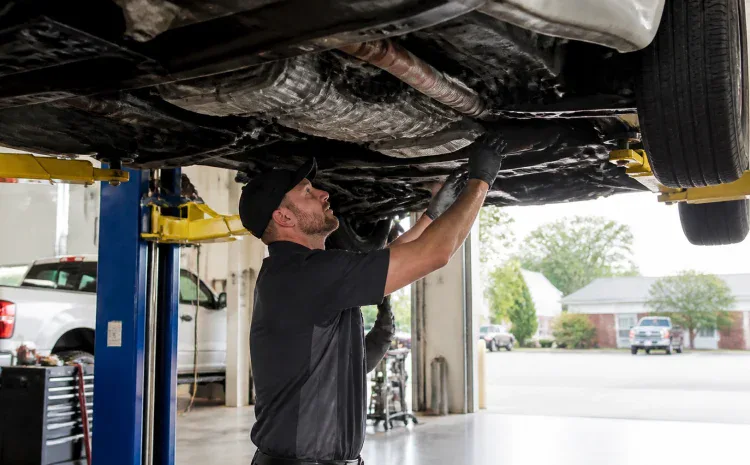
When you bring your vehicle in for a check-up, the process starts with a comprehensive diagnostic. This isn't just about reading a code; it's about a physical inspection and a test drive by an experienced technician who knows how a healthy transmission should behave. Because we are an ASE-certified facility and a NAPA AutoCare Center, we have access to the latest technical data and high-quality parts to ensure the job is done right the first time.
We treat every vehicle that comes into our bays with the same respect and dignity we’d give our own. Whether it’s a simple sensor replacement or a more involved transmission repair in Westminster, MD, our goal is to provide a clear, honest assessment of what’s going on under the hood so you can make an informed decision for your family or your business.
Keeping Your Vehicle Road-Ready
A healthy transmission is the key to a reliable vehicle. By paying attention to the way your car shifts, listening for new noises, and keeping an eye on fluid levels, you can catch most problems before they become catastrophes. Your vehicle is constantly communicating its health to you: all you have to do is listen.
If you’ve noticed any of the signs we’ve discussed: slipping gears, strange noises, or those tell-tale red spots on the ground: don’t wait for the problem to get worse. At Rob's Truck & Auto Repair, we’ve been serving the Westminster community since 1989, and we’re here to help you stay on the road safely.
Is your vehicle acting up? Give the team at Rob's Truck & Auto Repair a call at 410-871-4800 or visit our website to schedule your inspection today. Let’s get your transmission back in top shape.